
Night Guards and Mouthguards
A night guard protects the teeth from the wear, chipping and pressure of grinding and clenching, and may ease strain on the jaw muscles. It is a removable appliance, also called an occlusal splint or bite guard, made to fit over the upper or lower teeth and usually worn during sleep. Night guards come in hard, soft and dual-laminate designs. A custom sports mouthguard is made in a similar way and cushions the teeth against blows during contact sports and other activities with a risk of mouth injury. We fit custom athletic guards for sports, bruxism guards for grinding and clenching, and TMJ guards for jaw pain at ConfiDental in Carlstadt.
Who you'll see
-

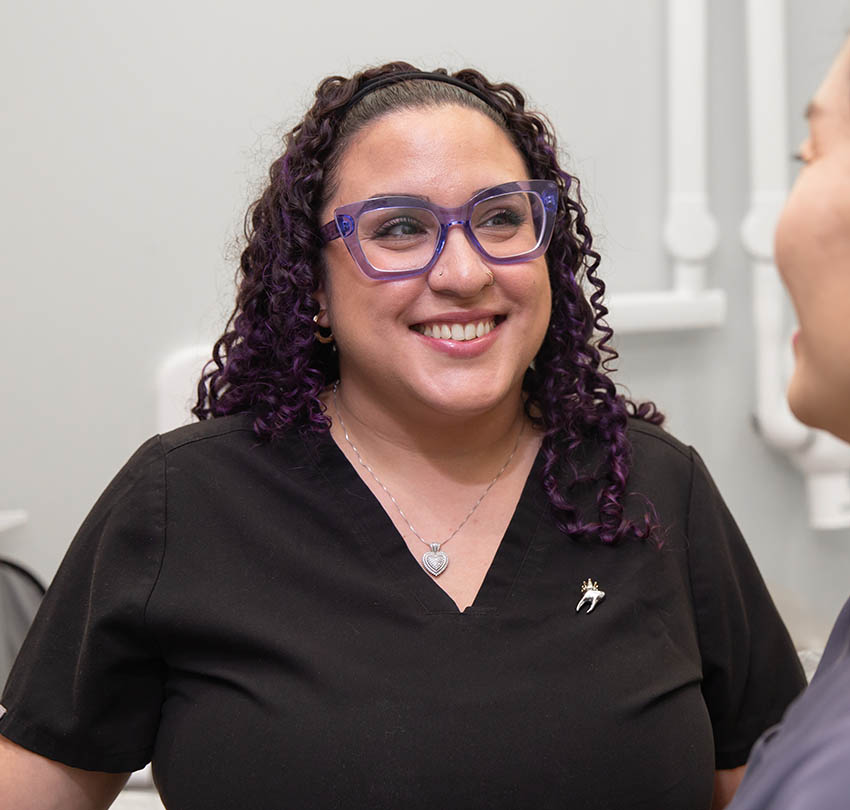
Soo Jin Kim, DDS
NYU-trained family and cosmetic dentist with a hospital residency at Mount Sinai
Recommends a custom guard for weightlifting as well as contact sports, and starts TMJ pain care with a night guard.
- Dental degree
- DDS, New York University, Omicron Kappa Upsilon honor society
- Residency
- Icahn School of Medicine at Mount Sinai
Patient reviews
-
“Dr. Kim and the entire team is amazing.”
– Massiel Melo S
-
“From the first phone call, politeness and quickness to get an appointment, I felt good vibes from the get go.”
– Colleen F
-
“Thank you to the entire staff for so many perfect visits.”
– Robert
-
“Do yourself a favor and book them for any of your dentistry needs.”
– Stephen B
Dr. Kim on mouthguards
Overview
A night guard is a removable appliance that fits over the upper or lower teeth and is worn during sleep, when grinding and clenching usually go unnoticed. It is also called an occlusal splint, bite guard, stabilization appliance or bruxism splint. It is designed mainly to protect the teeth and dental work: the teeth press against the guard instead of against each other, which helps limit wear, chipping and pressure, and the guard does not change the teeth or the bite. It is not designed to stop the grinding itself. A 2018 international consensus describes bruxism in otherwise healthy people as a behavior that can raise the risk of certain problems rather than as a disorder, and grinding has been linked with stress, alcohol, caffeine, tobacco and some psychotropic medications. Some people find that symptoms such as morning jaw soreness ease while they wear a guard and return when they stop.
Night guards differ in material and coverage. Hard guards are made of rigid acrylic that holds its shape and can be adjusted precisely. Soft guards are made of flexible material and are harder to adjust so the opposing teeth meet them evenly. Dual-laminate guards pair a soft inner layer against the teeth with a harder outer layer, which resists biting forces better than an entirely soft guard, and they have been proposed for protecting composite bonding placed to rebuild worn teeth. A full-coverage stabilization guard covers every tooth on one arch with a flat surface that the opposing teeth meet evenly, while designs that cover only some of the teeth are generally limited to short periods of wear. Guards are usually worn at night, and during the day as well by people who clench while awake.
Over-the-counter guards come in two forms. Stock guards are ready-made in a few sizes and often fit poorly, which can make breathing and talking harder. Boil-and-bite guards are softened in hot water and shaped by biting into them, so their fit depends on how carefully they are molded, and molding can thin the material. A custom guard is made from an impression or scan of the wearer's own teeth and fitted individually, and custom guards generally offer the closest fit and stay in place most securely. The same three types exist for sports mouthguards, which cushion the teeth against blows in contact and collision sports such as football, hockey, basketball, lacrosse, soccer and martial arts, and in activities such as skateboarding, gymnastics and bicycling.
In care for jaw joint and muscle pain (temporomandibular disorders, or TMD), a night guard is one of several conservative, reversible options. Many jaw problems are temporary and do not get worse, and guidance from the National Institute of Dental and Craniofacial Research notes that experts recommend conservative treatments and avoiding treatments that permanently change the jaw joints, teeth or bite. A splint used for TMD is therefore designed not to change the bite permanently, and it sits alongside self-care such as soft foods, heat or cold with gentle jaw exercises, and cutting back on clenching and gum chewing. Clicking or popping of the jaw without pain is common and considered normal. Botox injections into the jaw muscles are a separate treatment sometimes considered for severe clenching or TMJ pain. Sleep apnea and grinding often occur together, and in a sleep-laboratory pilot study an occlusal splint was associated with worsening breathing disturbances in some people with apnea, so snoring and sleep apnea are part of planning a guard.
When It's Recommended
- Grinding or clenching of the teeth during sleep (sleep bruxism)
- Clenching or grinding while awake that is hard to control, where a guard may also be worn during the day
- Tooth wear, chipping or cracks associated with grinding, to help protect the teeth from further damage
- Protection of crowns, veneers, bonding and other dental work in people who grind or clench
- Morning jaw soreness, facial pain or headaches associated with grinding
- Jaw joint and muscle pain (temporomandibular disorders), as part of conservative, reversible care
- Contact and collision sports, and other activities with a risk of mouth injury
- Braces or fixed bridgework in people who play sports
What are the risks of Night Guards and Mouthguards?
When to avoid
- Clicking or popping of the jaw joint without pain, which is common, is considered normal, and does not call for treatment on its own
- Splint designs intended to permanently change the bite, as a treatment for jaw joint and muscle disorders
Possible risks
- Changes in how the teeth fit together, more likely with designs that cover only some of the teeth or with wear around the clock
- Worsening of breathing disturbances during sleep in some people with sleep apnea
- Tooth, jaw or muscle pain from a guard, which is a reason to stop wearing it and have the fit checked
- Difficulty swallowing, closing the lips or speaking clearly when a guard is too thick
- Increased nighttime jaw-muscle activity in some people wearing a soft guard, reported in a sleep-laboratory study
- Wear, cracking, warping or loss of fit over time, which may require replacement
- Bacterial buildup on a guard that is not cleaned and allowed to dry
Who needs extra care
- Snoring or diagnosed or suspected sleep apnea, since an occlusal splint was associated with worsening breathing disturbances in some people with apnea in a sleep-laboratory pilot study, so snoring and sleep apnea are reviewed before a guard is recommended
- Clenching while awake, where a guard may also be worn during the day, while wearing one around the clock is generally avoided because constant wear may cause lasting changes in the bite
- Partial-coverage appliances that cover only some of the teeth or do not meet the opposing teeth evenly, which are generally limited to short periods of wear rather than worn long term
- Braces or fixed bridgework, where a properly fitted sports mouthguard may be especially important, and a guard for the lower teeth may also be considered when braces are on the lower teeth
- Removable retainers or other removable appliances, which are taken out during contact sports, with a mouthguard worn instead
- Children and teenagers, whose mouths are still changing, so a sports mouthguard may need replacing more often
What to Expect During Treatment
- We examine your teeth, jaw muscles and jaw joints, and ask about grinding, jaw pain, headaches, stress and sleep
- If you snore or have sleep apnea, we talk about that first and may suggest a sleep evaluation before a guard is made
- Together we choose the type of guard, its material (hard, soft or dual-laminate) and whether it covers the upper or lower teeth, based on your grinding, jaw symptoms, activities and dental work
- Our intraoral scanner records your upper and lower teeth and how they meet, without putty impressions
- Our partner dental lab uses that scan to make your guard, which is ready in one to two weeks
- At the fitting, we place the guard and check that it fits snugly and comfortably and stays in place
- We check your bite against the guard and adjust its surface so your opposing teeth meet it evenly
- For a sports mouthguard, we also check the fit and how easily you can breathe and speak while wearing it
- You are shown how to put the guard in, take it out, clean it and store it
- At follow-up and regular dental visits, we recheck the fit and condition of the guard
How do Night Guards and Mouthguards work?
A night guard places a removable layer of plastic or acrylic between the upper and lower teeth. During grinding and clenching, the teeth press against the guard rather than against each other, which helps protect enamel and dental work from wear, chipping and pressure. The guard does not change the teeth or the bite.
- A stabilization guard covers all of the teeth on the upper or lower arch with a flat surface. It is adjusted so the opposing teeth touch it evenly at the same time, which balances biting forces across the arch and can place the jaw in a more relaxed position that reduces strain on the jaw muscles.
- The material shapes how a guard behaves. Hard acrylic is rigid, holds its shape and can be adjusted precisely, and in a sleep-laboratory study a hard occlusal splint significantly reduced nighttime jaw-muscle activity in eight of ten participants. Soft guards are flexible and are harder to adjust so the teeth meet them evenly. Dual-laminate guards bond a soft inner layer of ethylene-vinyl acetate (EVA), which sits against the teeth, to a harder outer layer that takes the biting forces.
- A sports mouthguard is made of a resilient material, most often EVA, that usually covers the upper teeth. It absorbs and spreads the energy of a blow, which limits the force reaching the teeth and surrounding tissues. A thickness of about 3 to 4 mm over the front teeth is recommended for sports guards, and added thickness beyond 4 mm does not appear to add protection.
- A custom guard takes its fit from a digital model of your own teeth. An intraoral digital scan records the shape of each of your teeth and how the upper and lower teeth meet, and a dental lab builds the guard on that model; depending on the lab and the material, a guard may be formed, milled or 3D-printed. It is then fitted and adjusted in the mouth.
Recovery & Aftercare
- There is no recovery period, and the guard is typically worn during sleep, or whenever grinding or clenching is most likely
- Rinsing your guard before and after each use, or brushing it with a toothbrush and toothpaste, keeps it clean
- Cleaning it regularly in cool, soapy water and rinsing it well removes buildup
- Storing it in a sturdy, vented case lets it dry and helps keep bacteria from growing
- Keeping it out of hot water and direct sun helps the guard hold its shape
- Bringing your guard to regular dental checkups allows its fit and condition to be checked and the guard to be cleaned
- A guard that shows signs of wear, is damaged, or no longer fits well is typically replaced
- Some people find that jaw soreness eases while they wear the guard and returns when they stop, so a guard is often worn on an ongoing basis
- If the guard causes pain, stop wearing it and contact the office that provided it so the fit can be checked
Alternative Treatments
- Self-care for jaw symptoms, such as soft foods, heat or cold with gentle jaw stretching, and cutting back on clenching, gum chewing and nail biting
- Stress reduction, relaxation techniques and cognitive behavioral therapy
- Cutting back on caffeine and alcohol and stopping smoking
- Treatment of an associated sleep disorder, such as sleep apnea
- Botox injections into the jaw muscles for severe clenching or TMJ pain, a separate treatment
- Muscle relaxants taken before bed, usually for a short period
- Stock or boil-and-bite guards sold over the counter, whose fit depends on the size chosen or how carefully they are molded
What the Research Says
- Night guards and other intraoral appliances fit over and protect the teeth, and they do not change the teeth or the bite[1]
- In a sleep-laboratory study, a hard occlusal splint significantly reduced nighttime jaw-muscle activity in eight of ten participants[8]
- Meta-analyses of sports studies found the risk of a mouth or face injury was 1.6 to 1.9 times higher when no mouthguard was worn[14]
- In a 2019 meta-analysis of contact-sport athletes, dental injuries were reported in about 8% of mouthguard users compared with about 48% of non-users[15]
- Systematic reviews estimate that roughly 1% to 15% of adults grind or clench their teeth during sleep[7]

Frequently Asked Questions
What is a night guard?
Does getting a night guard hurt?
Is a night guard safe?
Does a night guard stop teeth grinding?
Can a night guard help with TMJ pain?
How is a custom night guard different from an over-the-counter guard?
Is a sports mouthguard the same as a night guard?
Who should wear a custom mouthguard?
How long does it take to get a custom night guard?
Sources & References
This article draws from 16 peer-reviewed sources.
- [1]National Institute of Dental and Craniofacial Research – TMD (Temporomandibular Disorders)
- [2]MedlinePlus Medical Encyclopedia – Bruxism
- [3]Cleveland Clinic – Teeth Grinding (Bruxism)
- [4]American Dental Association MouthHealthy – Mouthguards
- [5]American Dental Association – Athletic Mouth Protectors (Mouthguards), Oral Health Topics
- [6]International Consensus on the Assessment of Bruxism: Report of a Work in Progress – J Oral Rehabil (2018), PubMed
- [7]Bruxism: An Umbrella Review of Systematic Reviews – J Oral Rehabil (2019), PubMed
- [8]The Effects of Hard and Soft Occlusal Splints on Nocturnal Bruxism – J Am Dent Assoc (1987), PubMed
- [9]Occlusal Splints – Types and Effectiveness in Temporomandibular Disorder Management – Saudi Dent J (2023), PMC
- [10]Comparative Analysis of Different Types of Occlusal Splints for the Management of Sleep Bruxism: A Systematic Review – BMC Oral Health (2024), PMC
- [11]The Bilaminar (Dual-Laminate) Protective Night Guard – Dental Update (2017), University of Liverpool Repository
- [12]Effectiveness of Occlusal Splints in the Management of Temporomandibular Disorders: Comparisons of Treatment Approaches and Digital Versus Conventional Fabrication Techniques – Cureus (2025), PMC
- [13]Aggravation of Respiratory Disturbances by the Use of an Occlusal Splint in Apneic Patients: A Pilot Study – Int J Prosthodont (2004), PubMed
- [14]Mouthguards in Sport Activities: History, Physical Properties and Injury Prevention Effectiveness – Sports Med (2007), PubMed
- [15]The Use of Mouthguards and Prevalence of Dento-Alveolar Trauma Among Athletes: A Systematic Review and Meta-Analysis – Dent Traumatol (2019), PubMed
- [16]Mouthguard Types, Properties and Influence on Performance in Sport Activities: A Narrative Review – Front Med (2025), PMC